Vocational Training
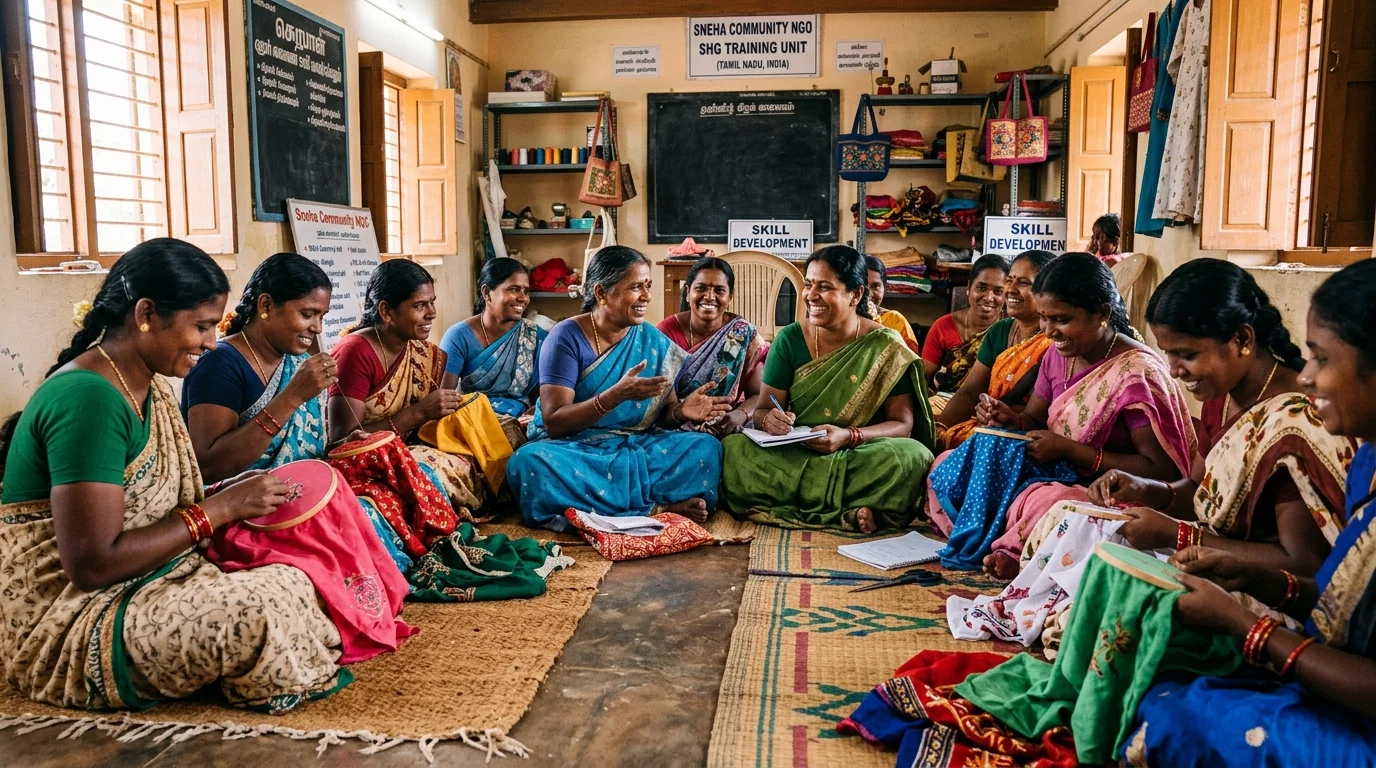
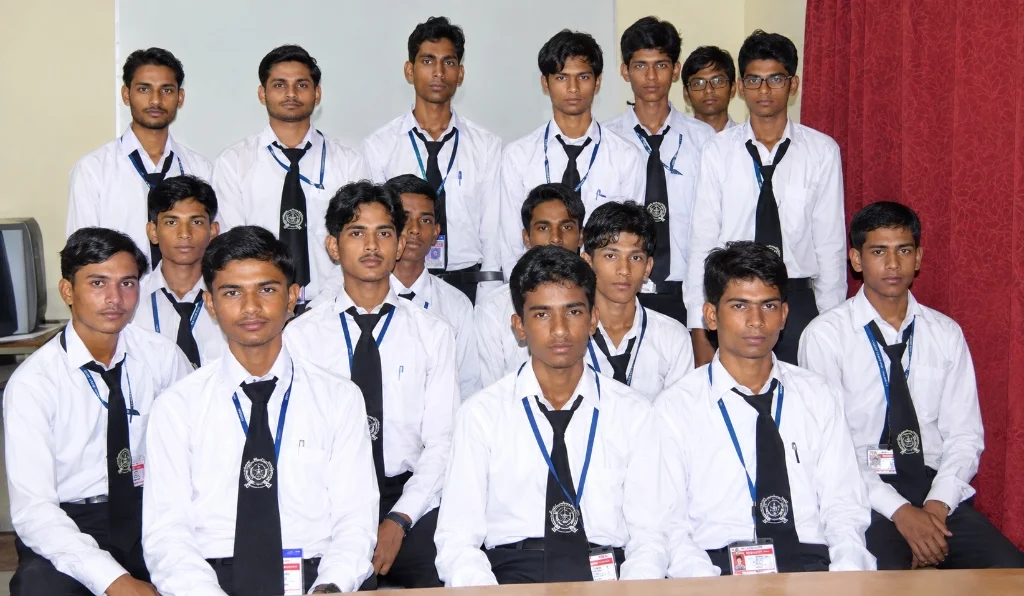
Hands-on vocational learning creates space for people to practise useful skills in a supportive setting.
- Introduce practical skills
- Encourage learning by doing
- Support employment-oriented confidence
Nine connected areas of work bring learning, practical skills, family well-being and public awareness into one community-development framework.
The programmes are organised as practical areas of attention. Their exact format can adapt to local context, available expertise and responsible community participation.
“Sustainable social development begins with education, opportunity, dignity, service and harmony.”

Hands-on vocational learning creates space for people to practise useful skills in a supportive setting.

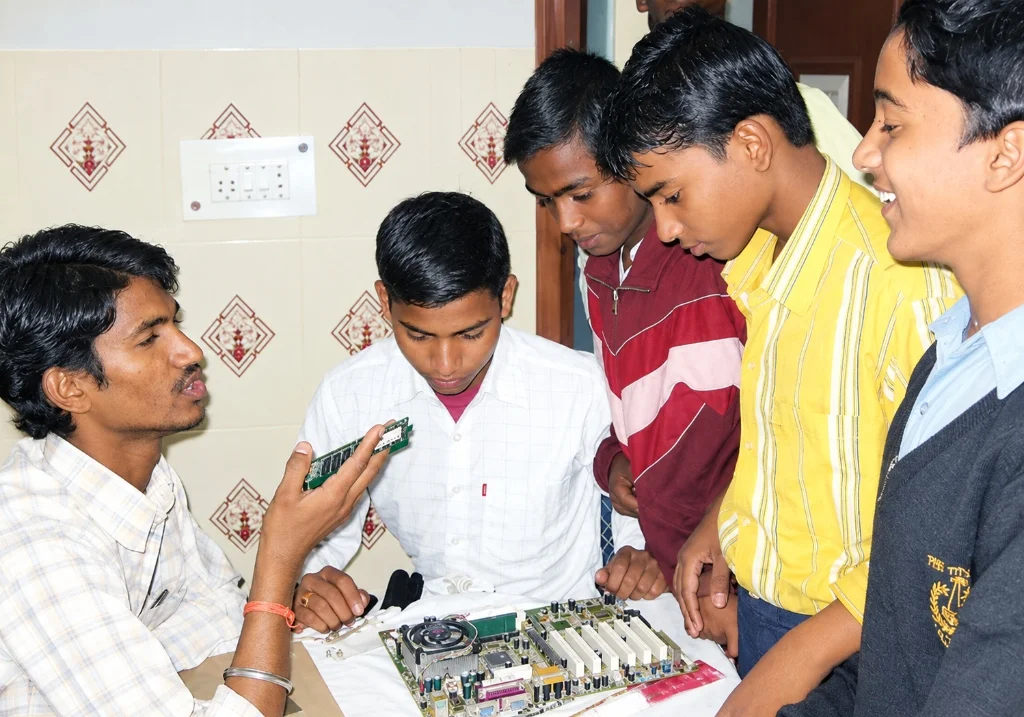
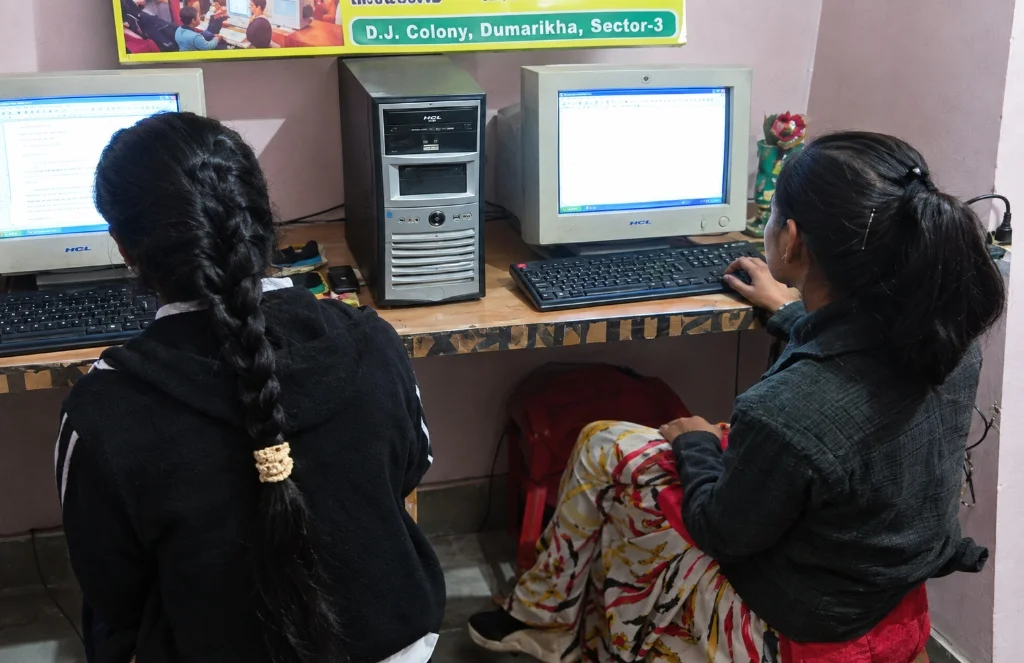
Computer learning initiatives focus on useful digital familiarity and confidence with everyday technology.

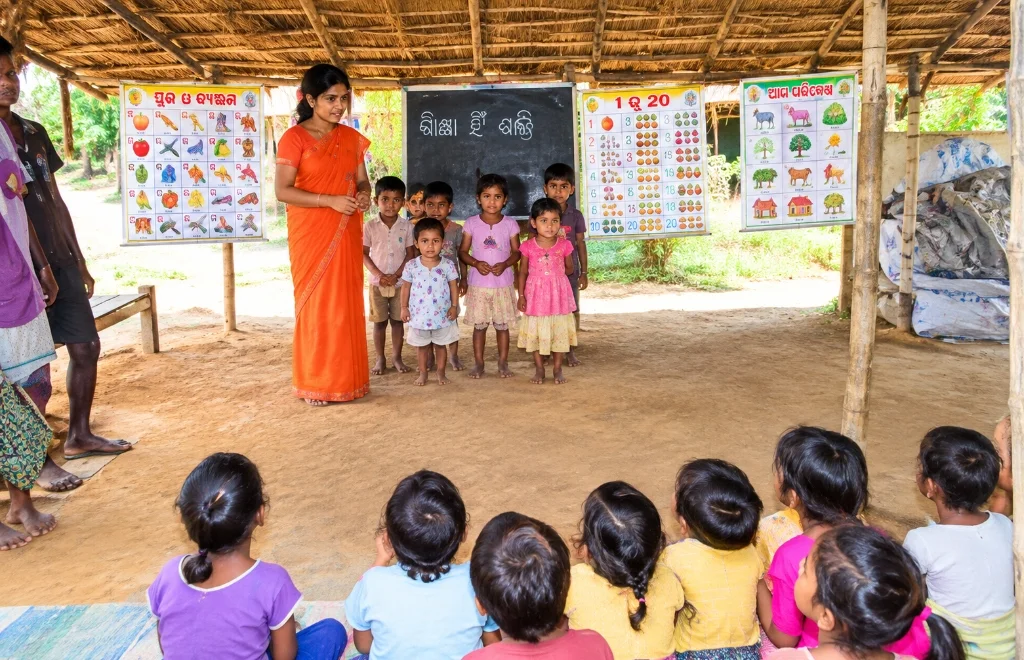
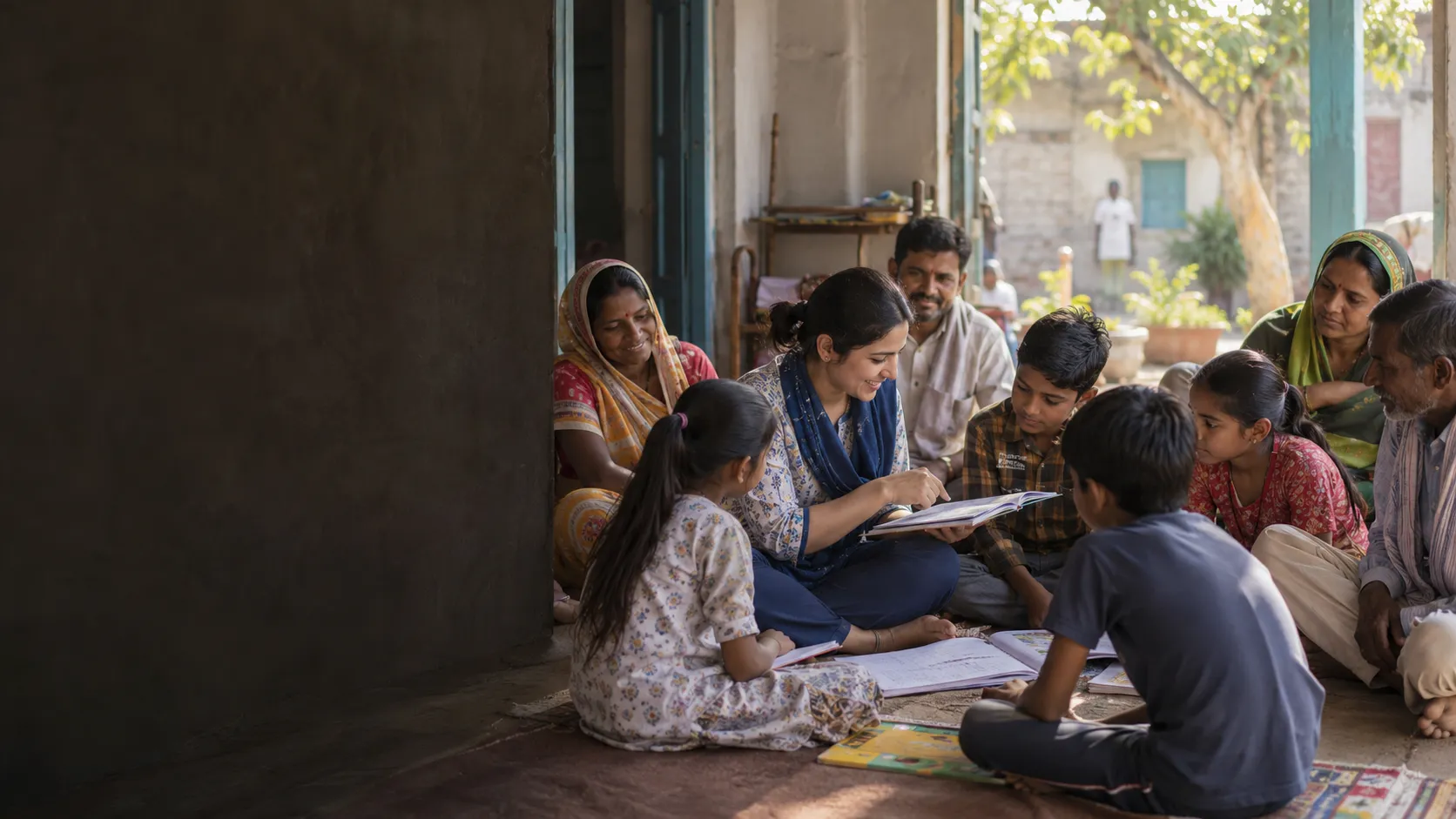
Non-formal education complements conventional learning through approachable, community-oriented support.

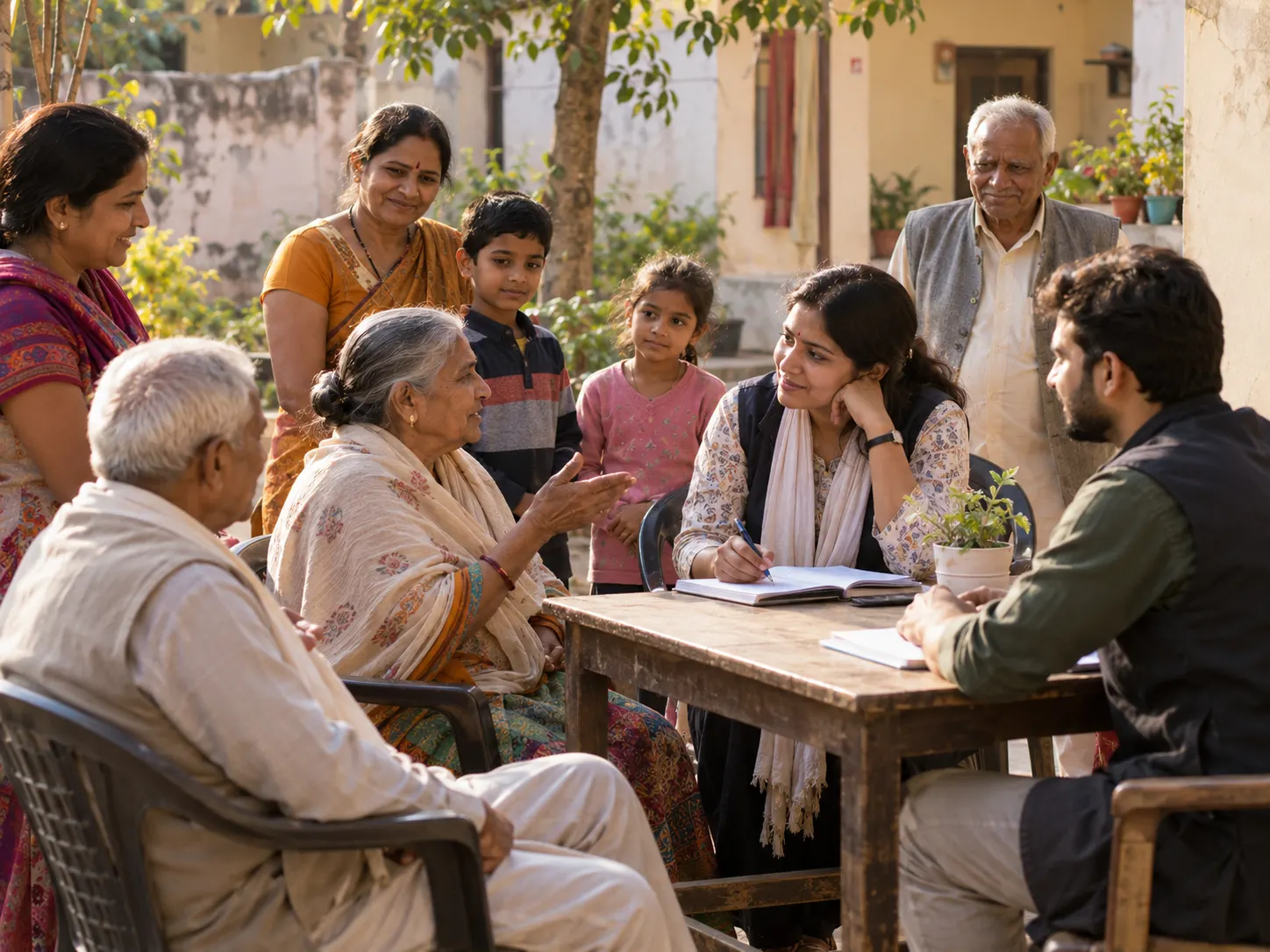
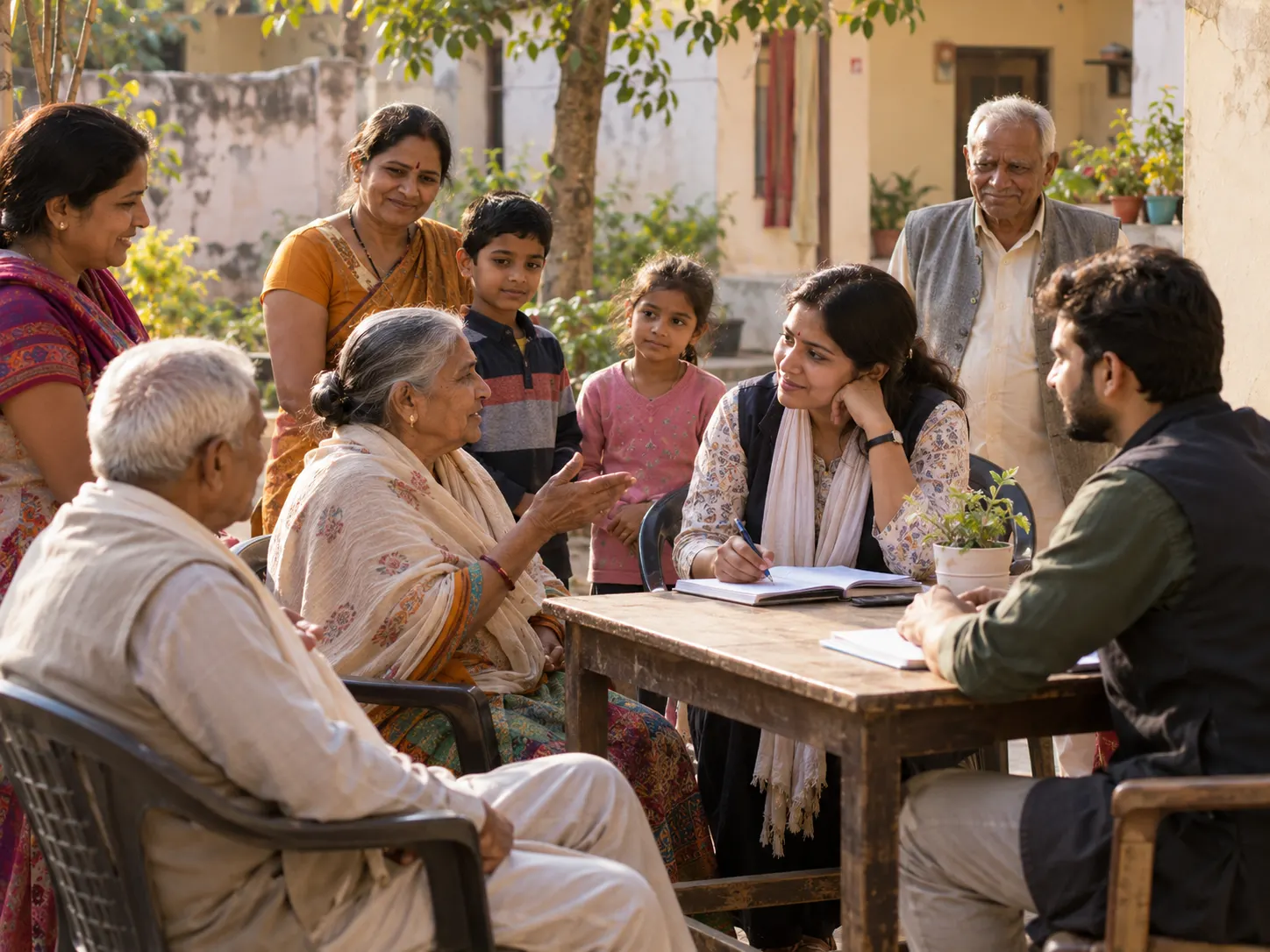
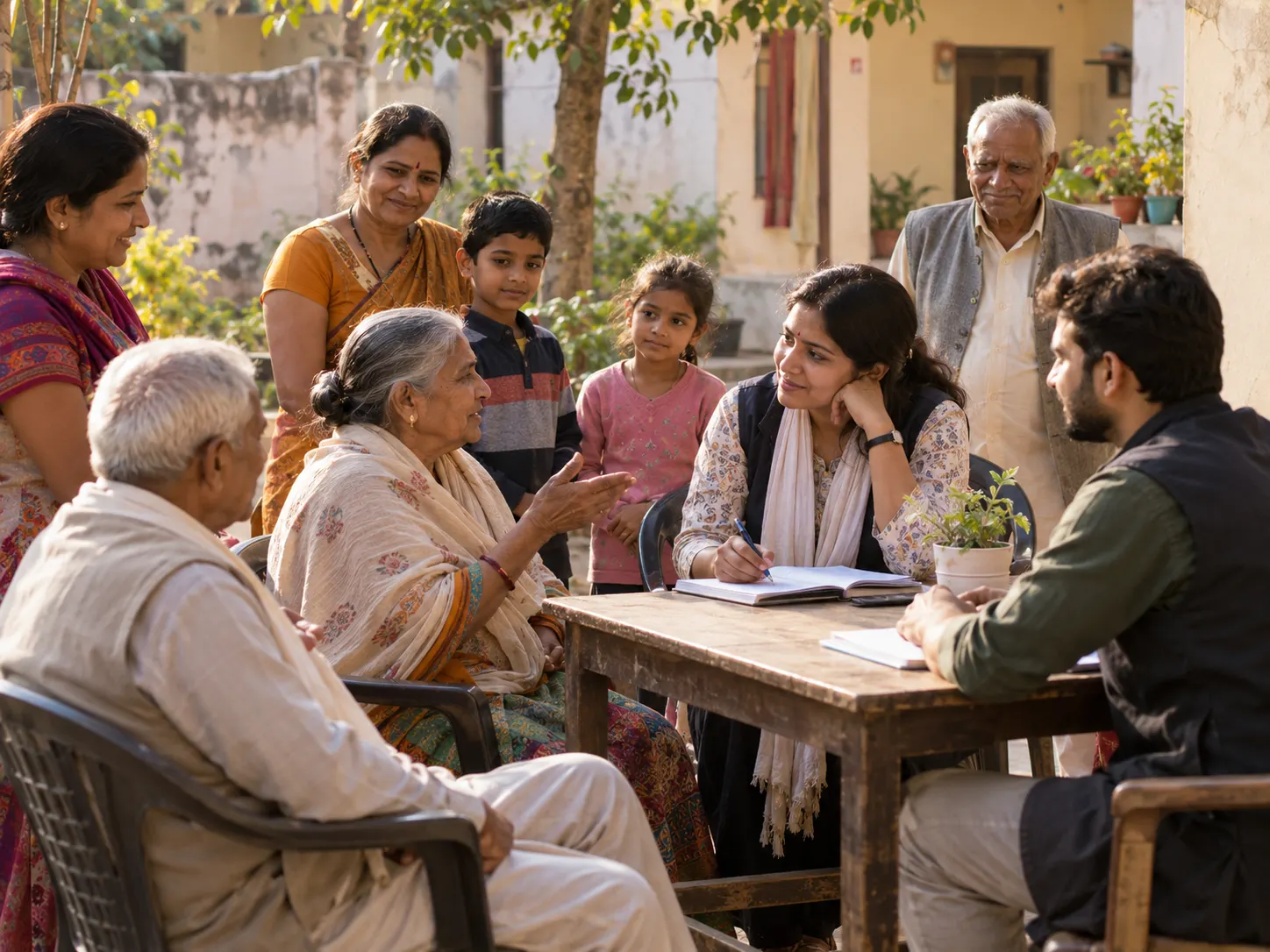
Community conversations support practical understanding of nutrition, parenting and family well-being.

Environmental awareness encourages communities to connect everyday choices with collective well-being.

Road-safety conversations help make everyday responsibilities visible to young people and families.

Science and technology promotion creates approachable opportunities to explore, ask questions and experiment.

Reading promotion supports curiosity, language development and a lasting relationship with learning.

Women-focused initiatives bring learning, practical skills and community dialogue into an encouraging space.

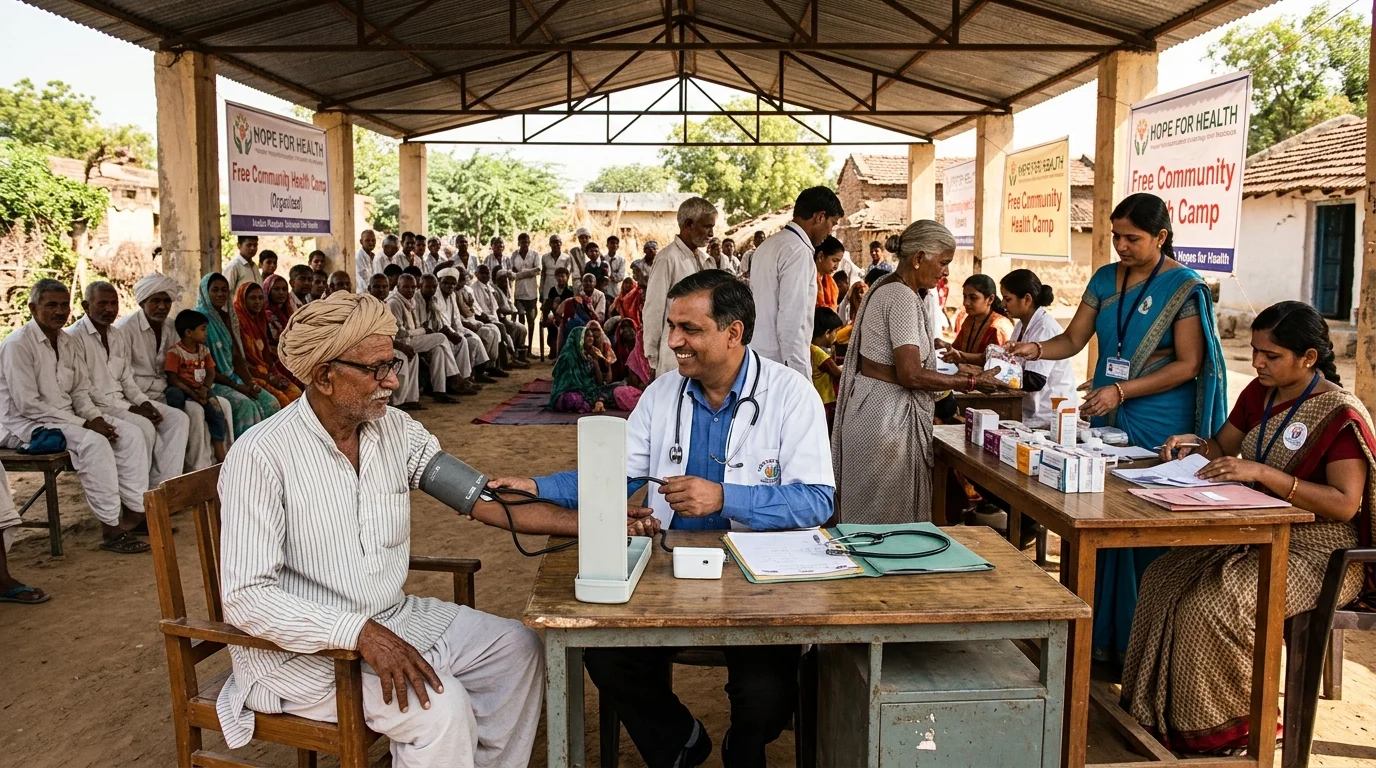
Organising accessible medical checkup camps with experienced doctors, free diagnostic screenings, and preventative healthcare guidance for underserved families.

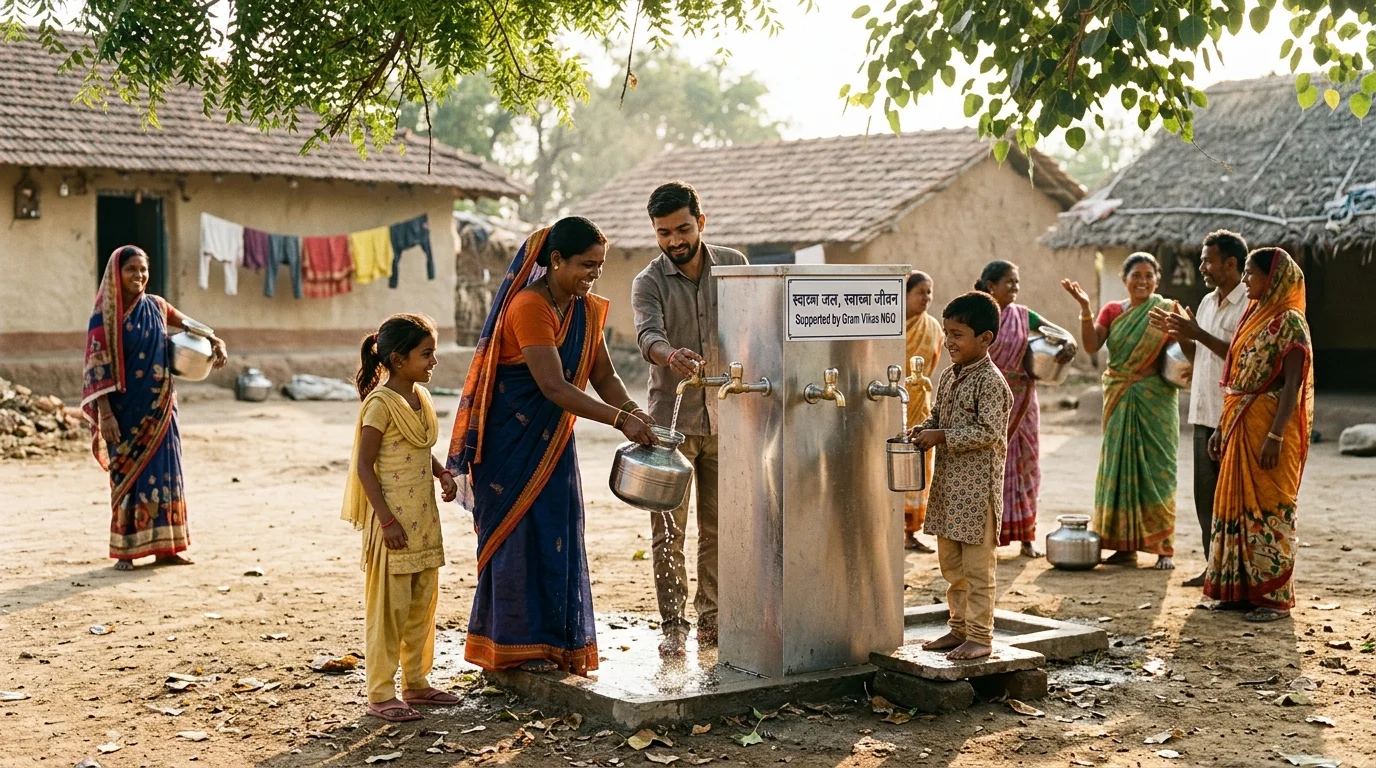
Supporting communities with safe drinking water solutions, rainwater harvesting, local water source rejuvenation, and responsible water conservation awareness.
Connect with the organisation about volunteering, institutional collaboration or responsible support.